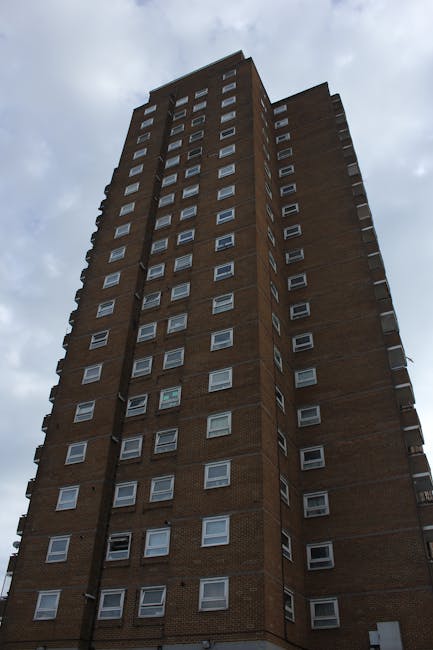
Heygate Estate removal tips for tight access moves

Moving out of, or into, the Heygate Estate area can feel straightforward on paper and then suddenly get awkward in real life. A lift that is smaller than you expected, a stairwell with a tight turn, parking that is a bit more stressful than you hoped, or a van that can't pull right up to the entrance - any one of these can slow the day down. That is exactly why Heygate Estate removal tips for tight access moves matter: the difference between a calm, efficient move and a long, sweaty, stop-start one often comes down to planning the access properly before anyone lifts a box.
This guide breaks down the practical side of tight-access moving in plain English. You'll find step-by-step advice, common mistakes to avoid, equipment considerations, realistic time-saving tips, and a simple checklist you can actually use. If you are moving a flat, a family home, or a small office near Elephant and Castle, a bit of preparation goes a very long way.
- Why tight access planning matters
- How a tight access move is handled
- Benefits and practical advantages
- Who this advice is for
- Step-by-step guidance
- Expert tips for smoother moving day
- Common mistakes to avoid
- Tools, resources and recommendations
- Compliance and best practice
- Options and comparison
- Real-world example
- Practical checklist
- Conclusion
- Frequently asked questions
Why Heygate Estate removal tips for tight access moves Matters
Tight access changes almost everything about a move. It affects how long loading takes, what size vehicle can be used, how many people are needed, and whether furniture can be carried safely without bumps, scrapes, or one of those awkward moments where a sofa becomes wedged halfway through a hallway. If you have ever tried to turn a mattress in a narrow landing, you will know the feeling.
In the Heygate Estate area, the challenge is rarely just one thing. It is usually a combination of limited parking, shared entrances, narrow corridors, lift restrictions, and the usual London reality of wanting to be in and out without blocking everyone else's day. The better you understand these constraints, the easier it becomes to choose the right moving method, whether that is a man and van, a larger removal van, or a more structured service for a full household move.
It also matters for safety. Movers lifting heavy items in cramped spaces are more likely to strain themselves or damage walls and door frames. That is not being dramatic; it is just how tight-access work tends to go if nobody plans it properly. A bit of measuring and route-checking upfront can save a lot of stress later.
How Heygate Estate removal tips for tight access moves Works
A tight access move works best when you treat it like a small project rather than a last-minute carry job. First, you identify every pinch point: entrance doors, stair widths, lift sizes, bends in hallways, basement steps, parking distance, and any loading restrictions. Then you match the move plan to those limits.
That usually means a smaller or more agile vehicle, shorter loading runs, and careful packing so items are easy to carry. For some moves, it also means splitting the day into stages. You might move boxed items first, then larger furniture once the route is clear. Truth be told, a two-stage approach can feel slower at first but often saves time because nobody is fighting the same obstacle over and over.
Good access planning also helps you choose the right support services. For example, if you are dealing with a flat and limited communal space, flat removals are often a better fit than a generic one-size-fits-all approach. If you need help with the heavy lifting and the route is awkward, removal services can be tailored to the layout rather than the other way around.
Key Benefits and Practical Advantages
When a tight access move is planned properly, the benefits are very noticeable. You spend less time waiting around, there is less chance of damage, and the moving team can work with confidence rather than improvising at every doorway. That alone is worth a lot on a busy day.
- Less risk of damage: Proper measurements and protection reduce knocks to walls, floors, and furniture.
- Better time control: You can estimate loading and unloading more realistically.
- Lower stress: Fewer surprises means fewer "oh no" moments on moving day.
- Safer handling: Tight corners and stairs are easier to manage when the route is planned in advance.
- Smarter vehicle choice: A smaller van may be more efficient than forcing a truck into a space it cannot comfortably use.
There is also a financial upside, even if it is indirect. Better planning can reduce wasted labour time and may help you avoid extra trips. If your access is especially awkward, it may even make sense to compare different service styles before you book. Some customers are better served by man with a van support, while others need a broader solution such as house removals or home moves.
Who This Is For and When It Makes Sense
This advice is for anyone moving in a place where space is tight and the route is not simple. That could be a student moving out of a compact flat, a family leaving a high-rise, a landlord arranging a turnover, or a small business shifting furniture through a shared entrance. The common thread is the same: there is not much room for error.
It makes sense whenever the access is likely to affect the size of vehicle, the number of people needed, or the packing method. If you are moving a single bulky item, for example, a sofa, wardrobe, or cabinet, the problem may be more about manoeuvrability than volume. In that case, furniture-specific help such as furniture removals or even furniture pick up could be a better fit than booking a full household operation.
For office moves, the same logic applies. Shared entrances, lifts, and time restrictions can be just as awkward in a commercial setting, so office removals or office relocation services are worth considering where equipment and layout are part of the challenge.
Step-by-Step Guidance
Here is the practical version. No fluff, no mystery, just the steps that tend to make the biggest difference.
- Measure the access points. Check door widths, hallway turns, lift dimensions, stair landings, and ceiling heights if you have awkward furniture. A tape measure and ten minutes can prevent a lot of misery later.
- Walk the route from property to vehicle. Notice any narrow gates, uneven paving, low walls, or places where a trolley might snag. In a tight move, the route matters as much as the item itself.
- Decide what vehicle size is realistic. A smaller van can sometimes be the smarter choice if parking is difficult or the road is tight. If you need flexibility, a removal truck hire option may suit a different type of access, but not every street benefits from a bigger truck.
- Pack for carrying, not just storing. Use strong boxes, sensible weights, and clear labels. Put the heavy books in small boxes and avoid making one box the villain of the day.
- Protect the building and furniture. Corner protectors, blankets, wrap, and floor coverings help where hallways are narrow. If the property is especially tight, protection is not optional; it is basic sense.
- Schedule the move for the least congested time. Early starts often help with parking and shared access. Mid-morning can be busy in some blocks, and by then everyone else is also trying to get on with their day.
- Leave a clear loading area. If possible, set aside a parking or drop-off space before the team arrives. Even a few extra metres of walking can slow a move when it is repeated dozens of times.
- Keep essentials separate. Documents, chargers, keys, kettle items, and a change of clothes should be easy to grab. You do not want to be searching for your toothbrush while the van is already packed.
If the access is too restricted for a standard same-day run, it may be worth planning storage as part of the move. A short pause can make the whole process more manageable, especially if you are waiting on keys or staggered access. In those situations, storage can be a sensible pressure valve.
Expert Tips for Better Results
These are the little things that often separate a smooth move from an exhausting one.
- Remove doors if needed. Sometimes a narrow angle becomes manageable once a door is taken off its hinges. That tiny change can be the difference between a clean carry and a scratched frame.
- Use smaller loads more often. In cramped properties, repeated lighter trips often work better than trying to force one oversized load through a tight route.
- Label rooms clearly. When space is limited, you do not want boxes being put down and then shuffled back because nobody knows where they belong.
- Keep walkways clear. Shoes, recycling bags, prams, and hallway clutter are small problems until they are in the way of a trolley.
- Warn neighbours if access will be shared. A quick heads-up can prevent awkward clashes at the lift or front door. It is not glamorous, but it helps.
- Pre-dismantle large furniture. Beds, tables, and shelving are often much easier once broken down. That is especially true when stairwells are narrow and turns are sharp.
One thing we see again and again: people underestimate the time taken by the final ten metres from the front door to the van. That bit can be oddly slow. Wet weather, a slope, a door that sticks, or a busy footpath all make a difference. Little things. Big effects.
Common Mistakes to Avoid
The most common mistake is assuming tight access will "sort itself out on the day". It rarely does. If the lift is too small, the van is too large, or the parking is too far away, the team can only work with what is there. Planning beats hoping. Every time.
- Guessing measurements. "It should fit" is not a measurement.
- Overpacking boxes. Heavy boxes slow every carry and make the risk of dropping higher.
- Ignoring furniture shape. Long, awkward pieces need route planning, not just muscle.
- Not checking lift rules. Some buildings have restrictions on moving times or lift use. That can affect the schedule more than expected.
- Booking the wrong size service. A move that looks small on paper may still need experienced handlers or a bigger loading plan.
- Leaving everything to the last minute. Packing the night before is brave. Sometimes a little too brave.
Another easy trap is forgetting the emotional side. Tight access moves often feel more intense because there is less margin for error. If you are tired, under pressure, and trying to answer the buzz of a phone at the same time, mistakes creep in. Keep the day simple where you can.
Tools, Resources and Recommendations
You do not need a van full of specialist kit to make a tight access move work, but a few tools make the process cleaner and safer.
| Tool or resource | Why it helps | Best used for |
|---|---|---|
| Measuring tape | Checks doorways, lifts, and furniture clearance | Pre-move planning |
| Furniture blankets | Protects edges in narrow halls and stairwells | Large items and delicate finishes |
| Strong box tape | Stops boxes opening mid-carry | General packing |
| Labels and marker pens | Makes room placement quicker at the other end | Busy moves with lots of boxes |
| Protective floor covering | Reduces scuffs in shared hallways or flats | Properties with vulnerable flooring |
| Short-handled trolley or dolly | Useful where space is limited and turns are tight | Heavier boxes and appliances |
If you are still in the packing phase, the right packing support can make a huge difference. Packing and boxes is worth looking at when you want sturdier materials and fewer last-minute runs to find more tape. For a more hands-off experience, packing and unpacking services can help reduce the chaos, especially if access is tricky and the day needs to move efficiently.
Law, Compliance, Standards, or Best Practice
For a move like this, the main thing is not to overcomplicate the legal side, but to respect the practical standards that keep everyone safe. Movers and customers should work in line with accepted UK moving and handling best practice, especially around lifting technique, load weight, and safe access. If a building has communal areas, those should be kept clear and used sensibly. That is just courteous and sensible.
If you are arranging the move through a professional team, it is reasonable to ask about insurance, handling procedures, and how they approach awkward access. A trustworthy provider should be able to explain how they reduce risk and protect belongings. You can also look at their insurance and safety information and their health and safety policy so you know how they approach safe working conditions.
For customers, the best practice is simple: be accurate about access, disclose anything unusual, and share constraints early. No drama, just facts. If there is a broken lift, a steep approach, a time window, or a loading limit, say so at the start. It helps everyone quote properly and move properly.
Options, Methods, or Comparison Table
Not every tight access move needs the same setup. Here is a straightforward comparison of common approaches.
| Option | Best for | Strengths | Limitations |
|---|---|---|---|
| Man and van | Smaller loads, limited space, quick local moves | Flexible, easier to park, often well suited to narrow access | Less ideal for larger household moves |
| Full removal service | Whole-home or larger flat moves | More support, better for heavy or multiple items | Needs clearer planning and may be less nimble in very tight streets |
| Storage first, move later | Delayed completion or cluttered access | Breaks the move into manageable stages | Extra handling and another step in the process |
| Same-day removals | Urgent or time-sensitive moves | Fast turnaround | Less forgiving if access is awkward and timing is tight |
For a small move with awkward entrances, a man with a van arrangement can be ideal. For bigger or more complex moves, a more complete service such as removals may be the better call. And if you are moving a lighter load after students have left a property, student removals can be a practical fit too.
Case Study or Real-World Example
Imagine a two-bedroom flat near the Heygate Estate area with a lift that is technically usable but just not generous. The sofa is long, the bed frame has a bulky headboard, and there is nowhere close to the front entrance to leave a large truck. The move sounds manageable, but it needs care.
In that kind of situation, the best approach is usually to measure the longest items first, dismantle what can be dismantled, and keep the route free of anything unnecessary. Boxes are loaded first because they are easier to stack and carry. Then the larger furniture comes out in a planned order so the hardest pieces are tackled while everyone still has energy. It sounds obvious, maybe, but it is amazing how often people do it the other way round and regret it by lunchtime.
With this approach, the day feels calmer. The crew is not improvising at every turn, the resident is not wondering whether the wardrobe will survive the stairwell, and the van is used more efficiently. Nobody is pretending it is glamorous. It just works better.
Practical Checklist
Use this before moving day. Print it, save it, scribble on it - whatever works.
- Measure doors, lifts, stairs, and furniture dimensions.
- Confirm the best parking or loading point.
- Check whether lift access is available all day.
- Identify any shared entrances or narrow corridors.
- Dismantle large furniture where possible.
- Pack heavy items into smaller boxes.
- Label every box clearly by room.
- Protect floors, corners, and fragile furniture edges.
- Keep essentials and documents separate.
- Tell your moving team about anything awkward in advance.
- Leave a clear walking route from door to vehicle.
- Allow extra time for lift delays or parking changes.
Practical summary: the more accurate your access information is, the easier it is to choose the right vehicle, the right team size, and the right order of work. That is the whole game, really.
Conclusion
Heygate Estate removal tips for tight access moves are not just about squeezing furniture through small spaces. They are about making sensible decisions early, so the actual moving day feels organised rather than chaotic. Measure properly, pack intelligently, choose the right moving method, and be honest about the access from the start. That simple approach usually saves time, money, and a lot of nerves.
If your move is especially awkward, do not try to muscle through it alone. A well-planned removal with the right support can turn a stressful job into a manageable one, even when the lift is small and the hallway looks stubbornly narrow. And honestly, there is a lot to be said for a move where nobody ends the day with a bruised shin and a wobbly expression.
Get a free quote today and see how much you can save.
Sometimes the smartest move is simply the one that gives you a bit of breathing room. That little bit of calm matters more than people think.
Frequently Asked Questions
What counts as tight access for a removal in the Heygate Estate area?
Tight access usually means limited parking, narrow hallways, awkward turns, small lifts, or stairs that make bulky items difficult to carry. If the route feels cramped before moving day, it probably is.
Should I book a smaller van for a tight access move?
Often, yes. A smaller van can be easier to park and quicker to load when access is restricted. It is not always about capacity; sometimes manoeuvrability wins.
How do I measure whether my sofa will fit through the stairwell?
Measure the sofa at its longest and widest points, then measure the narrowest part of the stair route, including landings and turns. If the item needs tilting, allow extra clearance. A few centimetres can make a big difference.
Are flat moves harder than house moves in tight-access buildings?
They can be, especially if the building has shared lifts or narrow communal areas. That is why flat removals are often planned differently from standard house moves.
What should I pack first if access is difficult?
Start with boxed items, soft goods, and anything that stacks neatly. Leave awkward furniture and fragile items for a more carefully timed stage of the move.
Is same-day moving realistic when access is tight?
It can be, but only if the load is manageable and the access issues are well understood. If the move is large or complicated, same-day work may feel rushed. A slower, better-planned move is sometimes the smarter option.
What if the lift is too small or not working?
If the lift is unavailable or unusable, tell the moving team immediately and adjust the plan. In some cases, furniture will need to be dismantled, carried in smaller parts, or moved using an alternative route.
Do I need to tell the moving company about parking restrictions?
Yes, absolutely. Parking restrictions can change the vehicle choice, the timing, and the amount of walking distance between the van and the property.
How can I reduce the risk of damage in narrow hallways?
Protect corners, cover floors, clear clutter, and keep the route as direct as possible. Slow, steady carrying is better than trying to rush through tight turns.
Would storage help if access is too awkward on the day?
Yes, in some cases. If the move needs to be split into stages or you are waiting for keys, storage can take the pressure off and make the move much more manageable.
How far in advance should I plan a tight access move?
As early as you can. Even a few extra days helps with measuring, planning, and choosing the right service. Tight access moves reward preparation more than almost anything else.
What service is best for a small but awkward move?
A flexible option such as man and van or man with van is often a good fit for smaller loads with tricky access, especially when parking is limited.