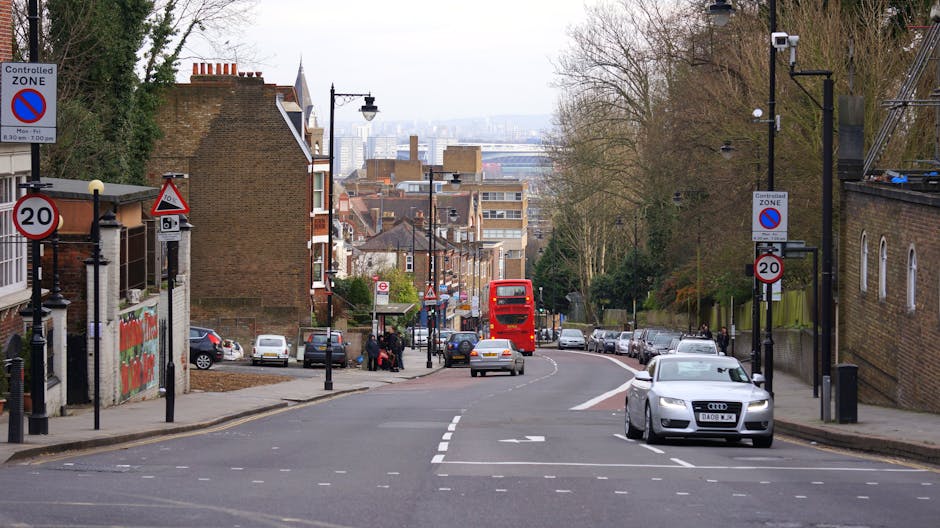
Removal Van in Elephant and Castle

A removal van in Elephant and Castle gives households, tenants and small businesses a practical way to move furniture, boxes and awkward items across London without overcommitting to a larger vehicle than the job needs. Our service centres on careful loading, sensible route planning and straightforward transport for moves that benefit from a compact, flexible approach. If you are moving out of a flat, picking up bulky purchases or shifting part of an office, the work is organised to keep handling clear and efficient.
We cover a focused range of removal tasks, including man and van support, furniture moves and smaller home relocations. That means you can choose a service that matches the size of the load rather than paying for space you do not use. The emphasis is on secure positioning inside the van, sensible protection for vulnerable items and a tidy handover at each end.
For a quick first step, tell us what needs moving and where it is going. Contact us for a quotation when you are ready, or continue reading to see how the main service is structured and which related options may suit your move.
Flexible moving support for homes and smaller loads

Many customers looking for a removal van want a service that can adapt to different load sizes and access conditions. A compact van is often useful for one-bedroom flats, shared homes, partial relocations and collections that include a mixture of boxes and furniture. It can also suit moves with limited parking space or narrower access, where a larger lorry may be less convenient to position safely.
Our approach is designed to keep the job organised from the start. Items are grouped sensibly, fragile pieces are kept separate where needed, and the load is arranged to reduce movement in transit. If your move includes beds, wardrobes, chests of drawers or appliances, the order of loading matters as much as the vehicle itself. In practice, careful packing and sensible stacking are what make the difference between a smooth journey and one that feels rushed.
H3: Choosing the right level of removal help

There are several ways to use a removal van service, and the best option depends on what needs to be moved. Some customers only need transport; others want help with loading, unloading or both. Where the load includes a few heavy items rather than a whole property, a van-based move can be a better fit than a full removals crew. It is also useful when furniture needs to be taken to storage, delivered to another address or moved between floors with fewer items overall.
Useful related pages can help you match the service to the job. For example, removal van information may suit a direct vehicle-led move, while removal services gives a broader view of the available options. If the move is mainly a domestic one, home moves and house removals are helpful pages to compare against a simpler van-led arrangement.
When the work is straightforward, the most useful preparation is usually a brief list of what is being moved. If there are bulky or fragile pieces, note them clearly. That allows the load to be planned with less guesswork and makes it easier to decide whether packing materials or extra handling are sensible for the job.
Furniture, boxes and careful loading
Removal van work is often about the items that do not fit neatly into a car boot but do not justify a full-scale commercial move. Sofas, dining tables, shelving, white goods and boxed belongings all need a slightly different approach to handling. A successful move depends on more than simply lifting everything into the vehicle; it also depends on how items are protected, separated and unloaded at the destination.
That is why it helps to think in terms of categories. Delicate items may need more padding, while heavier pieces should be placed low and secured so they do not shift during transport. If boxes contain mixed contents, it can be useful to keep heavier ones apart from lighter or breakable items. For particularly awkward objects, such as long mirrors or unusually shaped furniture, the loading sequence should be planned in advance rather than improvised at the kerbside.
For related help, furniture removals is a sensible choice when the move is mainly made up of household furniture, and furniture pick-up may be appropriate if you only need a collection and delivery. Where packing is a concern, packing and boxes can help you think through the materials and preparation involved before the van arrives.
Office items, equipment and practical transport
Not every removal van job is a domestic one. Small offices, studios and home-working setups often need equipment moved between premises, and a van-based service can be a practical way to handle that kind of shift. Desks, chairs, archive boxes, monitors and modest quantities of stock can usually be transported efficiently when the load is organised with care and the delivery point is known in advance.
If your move includes workstations or shared equipment, the most useful planning is to separate items by category before loading. Cables, accessories and small parts should be gathered together, while larger pieces are protected against knocks in transit. Where a business move is involved, it can also help to think about timing, access and whether the route between old and new premises has any restrictions that affect loading or unloading.
For larger workplace relocations, office removals and office relocation services offer more specific information. If timing matters because your move must happen quickly, the same-day removals page may also be worth reviewing, provided it fits the scale and nature of the job. In every case, the aim is to match the vehicle and handling level to the actual load.
About Elephant and Castle
Elephant and Castle is a long-established district in the London Borough of Southwark, set just south of the River Thames and close to several major routes into central London. Its name has been in use for centuries, and the area’s modern identity has been shaped by repeated redevelopment, especially around the transport junction that gives the district much of its profile. The roundabout and nearby station area have long acted as a focal point, linking local streets to wider parts of the capital. The present station complex serves both the London Underground and National Rail, making the district an important interchange for South London and beyond. Much of the area has changed over time, yet traces of earlier streets, surviving townscape and mixed-use buildings still give it a layered character. Elephant and Castle is also associated with the historic Newington and Walworth parts of Southwark, and its built environment reflects that overlap of older neighbourhood patterns with newer commercial and residential development. The district sits within reach of cultural spaces, local shops and a range of housing types, from purpose-built estates to newer apartment blocks. That combination of transport connectivity, urban density and ongoing change has made it a distinctive part of central-southern London rather than a simple through-route.
Packing, access and making the move easier

Good preparation can make a removal van job easier without turning it into a complicated project. Clear access paths, ready-to-move boxes and a sensible idea of which items need attention first all help the process stay organised. It is often worth separating essentials from items that can travel later, especially when a property has multiple rooms or a mix of storage areas. Small decisions such as labelling boxes or keeping screws with the furniture they belong to can save time at unloading.
Parking and access are also worth considering in advance. Elephant and Castle includes busy streets, mixed housing and a variety of entrance types, so the route between the vehicle and the door can affect the ease of loading. If there are stairs, narrow landings or lift restrictions, mentioning them early helps the move be planned with fewer surprises. The same applies to items that are especially heavy, unusually shaped or likely to need two people to carry safely.
For packing support, packing and unpacking services may be helpful when you want extra help with the preparation and settling-in stages. If the move involves a temporary gap between properties, storage can be useful for items that are not needed immediately. Well-timed preparation often matters as much as the vehicle itself, because it keeps the loading process orderly and reduces avoidable handling.
H3: What affects the quotation for a van-led move
Quotation requests are usually clearer when they focus on the main factors that shape the job. The number of items, the size of furniture, the distance between collection and delivery, and the ease of access at both addresses all influence the amount of time and vehicle space required. Stairs, parking restrictions and the need for help with lifting may also be relevant, especially if the load includes bulky or delicate pieces.
A clear description is more useful than a long list of vague notes. If you can, group the items you need moved into a simple inventory and mention anything unusually heavy or fragile. That makes it easier to compare a compact van move with a broader service such as removals or removal companies. If your move is specifically about a house or flat, the difference between those pages and a van-led arrangement becomes easier to see.
When the load is modest, a van-based service often keeps the job focused and manageable. When the load is larger, the right option may be a broader moving service instead. Ask for a quotation once you know the main items, and include any details that affect access or lifting so the estimate reflects the work accurately.
House moves, flats and smaller relocation patterns
Removal van work often sits between a single-item collection and a full household removal. That middle ground includes partial house moves, student lets, studio flats and situations where only selected belongings are being taken to a new address. In those cases, a van can provide enough capacity without making the move feel oversized. It also gives more room to organise the load in a way that protects items and keeps them easy to unload.
Different property types can create different moving patterns. A flat with limited lift access may need a different loading sequence from a house with a drive or front garden, while a shared property might involve several separate sets of belongings travelling at once. If you are moving between rented places, the job may focus on boxes and furniture only, with no need for the additional handling that a larger household removal might require. Matching the service to the property type helps keep the process proportionate.
Relevant pages include flat removals for apartment-based moves and student removals for lighter relocation patterns. If you need a broader vehicle option, moving truck or removal truck hire may be more suitable, depending on the scale of the load and the way it needs to be managed.
Booking details and final checks
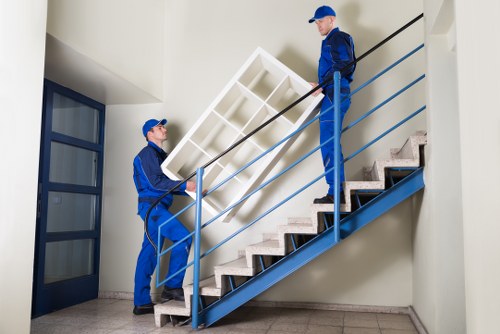
Before the move date, it helps to confirm the basic details once rather than leaving them uncertain. The addresses, access arrangements and the main items to be moved are usually the most important points. If there are narrow halls, shared entrances, lift bookings or loading bays to consider, those should be mentioned early. A simple plan for the order in which items are loaded and unloaded can prevent avoidable backtracking on the day.
It is also worth deciding what needs to travel in the van and what should stay separate. Documents, personal valuables and essentials for the first night are often better kept with you, while furniture, boxed belongings and larger household items can be loaded together in a sensible sequence. If you need extra support, the service can be discussed alongside related options such as house removalists for fuller moving help, or commercial moves if the load is business-related.
Request a quotation today and give a concise summary of the items, access and destination so the move can be priced on the right basis. If you prefer to browse more general information first, you can still use the same practical starting point: decide what is travelling, note anything awkward, and then get in touch when you are ready.